-
 KONGDY
Hot Patch vs Cold Patch: Which Therapy Is More Effective for Muscle Pain?
Introduction
When it comes to muscle pain relief, two popular options dominate the market: hot patches and cold patches. Both offer effective relief, but they work in fundamentally different ways. Understanding which therapy is right for your specific condition can significantly impact your recovery time and comfort. This comprehensive comparison guide helps you make an informed decision between hot patch vs cold patch therapy for muscle pain.
How Hot Patches Work

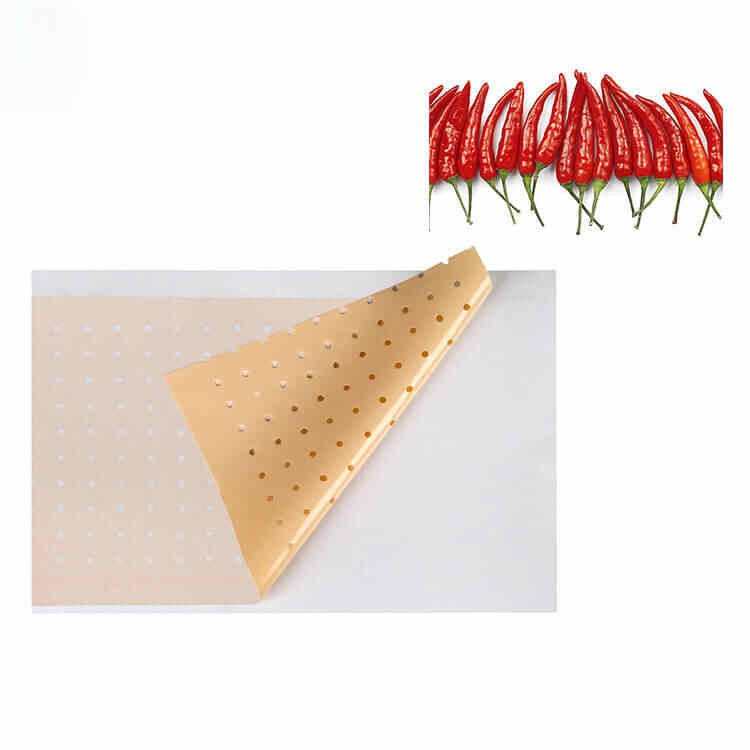
Hot patches work through thermotherapy, providing penetrating warmth that dilates blood vessels, increases blood flow to the affected area, relaxes muscles, reduces muscle tension and stiffness, increases collagen elasticity, and blocks pain signals. Common active ingredients include capsaicin (from chili peppers), ginger, and iron powder that generates heat.
How Cold Patches Work
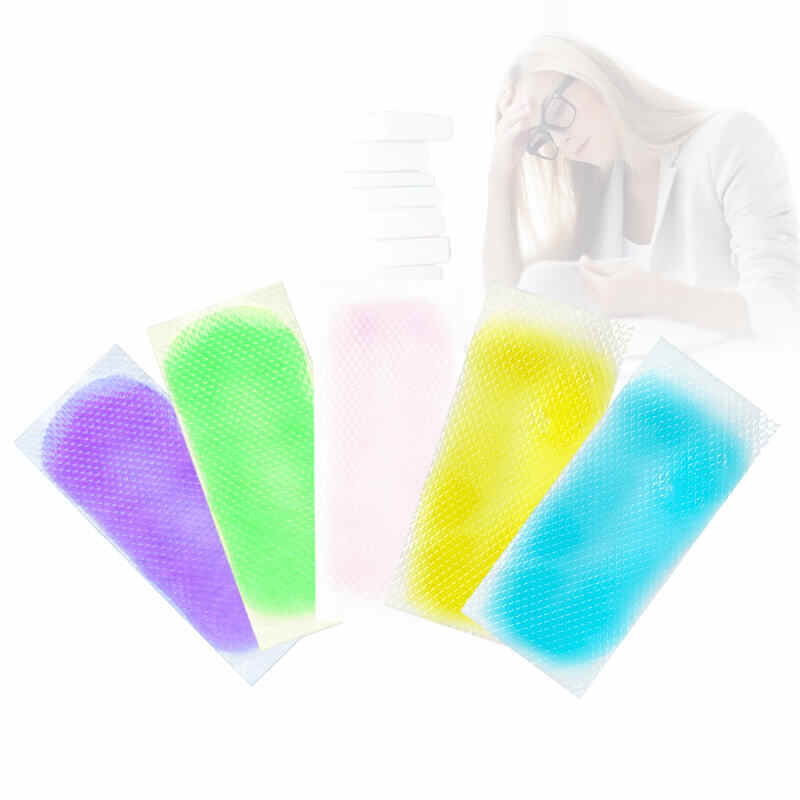
Cold patches work through cryotherapy, applying cooling relief that constricts blood vessels, reduces blood flow and inflammation, numbs nerve endings for immediate pain relief, reduces metabolic rate, and decreases muscle spasms. Common active ingredients include menthol, camphor, and aloe vera.
When to Use Hot Patches
Hot patches are best for chronic muscle stiffness, arthritis pain, stress-related tension, old injuries, and pre-exercise warm-up. The heat increases collagen elasticity, making tissues more flexible and reducing pain.
When to Use Cold Patches
Cold patches are best for acute injuries within 48 hours, new strains and sprains, post-workout soreness, bruising and swelling, and tension headaches. The cooling effect reduces inflammation and numbs pain quickly.
Direct Comparison Table
Hot patches provide gradual relief over 15-30 minutes with long-lasting effects of 8-12 hours. Cold patches provide quick relief within 5-10 minutes with moderate duration of 4-6 hours. Hot works best for chronic, old injuries while cold is ideal for acute, new injuries.
The Alternating Method
Some healthcare professionals recommend alternating between hot and cold therapy. This approach maximizes blood flow (hot brings blood in, cold pumps it out), reduces inflammation, and promotes healing through cellular repair stimulation. Typical protocol: 15-20 minutes cold, 15-20 minutes off, 15-20 minutes heat, repeat.
Common Mistakes to Avoid
Hot patch mistakes include using on acute injuries (increases swelling), too high temperature (burn risk), and sleeping with heating patches. Cold patch mistakes include using on poor circulation areas, direct skin contact (use cloth barrier), and exceeding 20-minute sessions.
OEM Manufacturing Options
Both hot patches and cold patches are available through OEM manufacturing. KONGDY Medical offers comprehensive manufacturing for both patch types with customizable formulations, ISO 13485 certification, and flexible MOQ options.
Conclusion
Choosing between hot and cold patches depends on your specific condition. For chronic muscle pain and stiffness, hot patches are generally more effective. For acute injuries and inflammation, cold patches provide better relief. When in doubt, consult a healthcare professional. Stock both types for comprehensive pain management. Contact KONGDY Medical for OEM hot and cold patch manufacturing!


