
-
 KONGDY
Can Bamboo Foot Detox Patches Be Sold Globally?
A Comprehensive, Evidence-Based Guide for International Sales and Compliance
In today’s global wellness market, many entrepreneurs and brands are asking: Can Bamboo Foot Detox Patches be sold globally? With rising interest in detox and self-care products, opportunities abound for companies willing to expand internationally—especially those working with an experienced Bamboo Foot Detox Patches Manufacturer or Bamboo Foot Detox Patches Supplier. However, selling globally isn’t as simple as uploading a product to an ecommerce platform; it requires an understanding of regulatory compliance, classification, labeling, documentation, logistics, and market-specific law.
In this comprehensive guide, we’ll dive into what you need to know—from regulatory frameworks to export strategies—and why partnering with a reliable Bamboo Foot Detox Patches OEM and offering Custom Bamboo Foot Detox Patches or Private Label Bamboo Foot Detox Patches can empower your global strategy.
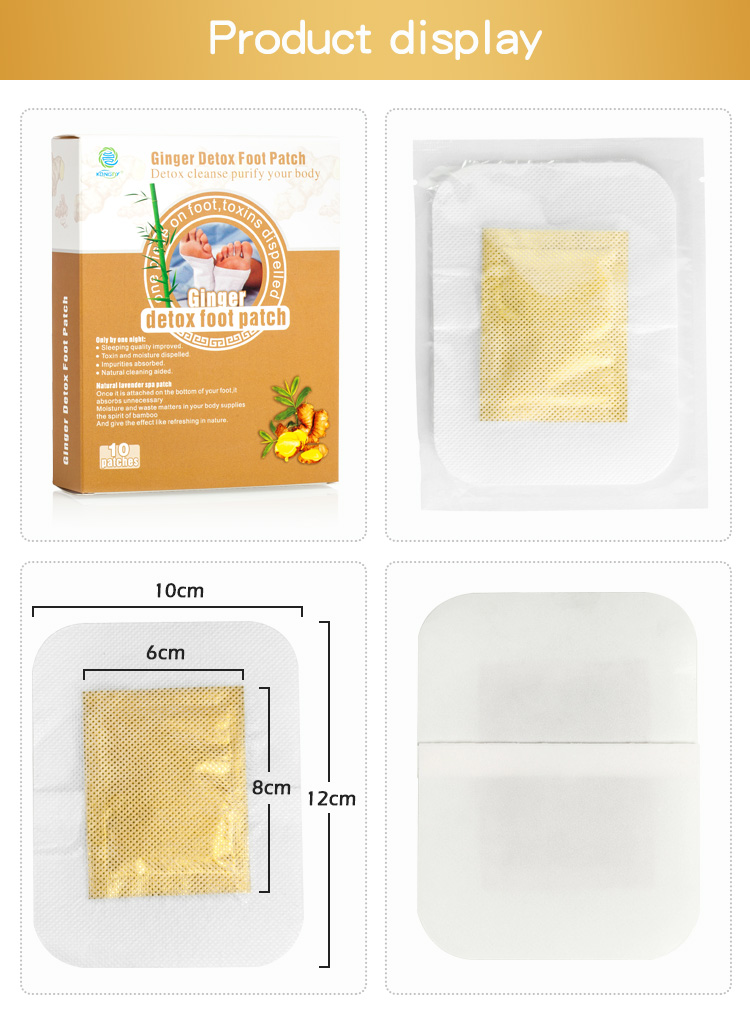
Why Bamboo Foot Detox Patches Are Appealing Globally
The detox foot patch category—featuring products often made with bamboo vinegar, herbal extracts, and other natural materials—has seen rapid growth worldwide. Market research shows that the broader foot patch market, including detox variants, is on a growth trajectory across North America, Europe, Asia-Pacific, and other regions.
Many brands choose to customize their offerings, leveraging Bamboo Foot Detox Patches OEM services to tailor formulas, packaging, and branding. Others take the private label route, using Private Label Bamboo Foot Detox Patches to speed up time to market while maintaining a unique brand presence.
Key Considerations for Selling Bamboo Foot Detox Patches Globally
Although the concept appears straightforward, global distribution of wellness products like detox foot patches involves several important factors. Not all countries treat these products the same legally, and regulations can vary dramatically.
1. Product Classification: Cosmetics, Medical Devices, or Consumer Goods
The first hurdle in any international regulatory strategy is classification.
In some markets, detox foot patches may be treated as cosmetics or consumer wellness products.
In others, especially where therapeutic claims are made, they might be classified as medical devices or OTC healthcare products with stricter oversight.
Correct classification determines what regulatory pathway you must follow.
2. Regulatory Authorities and Compliance
To sell legitimately across different regions, you must understand the key regulatory authorities that govern safety and market access:
United States (FDA) – Cosmetics and wellness patches must comply with FDA cosmetic regulations if no medical claims are made. Labeling must meet FDA requirements (e.g., ingredient lists, manufacturer info) and avoid unapproved health claims.
European Union (EU) – The EU has harmonized cosmetics and medical device regulations. Products marketed with health or therapeutic claims may require CE marking and compliance with Medical Device Regulations.
Southeast Asia – Regulations vary by country. For example, Vietnam requires a local marketing authorization to import medical device-like products.
Other Markets – Each country may have unique registration protocols, language labeling, and documentation requirements.
3. Labeling Rules and Claims
Correct labeling is critical. Many jurisdictions mandate that labels include:
Product name and purpose
Full ingredient list
Manufacturer or distributor information
Manufacturing and expiration dates
Usage instructions and any safety warnings
In the U.S., cosmetic labeling must be in English and must avoid unapproved claims (e.g., “detoxifies” in a medical sense).
4. Ingredient Compliance and Safety
Different countries have lists of approved and restricted ingredients for cosmetics or medical devices. A reliable Bamboo Foot Detox Patches Supplier ensures that formulas adhere to regulatory limits (e.g., for preservatives, herbal extracts). Working with a Bamboo Foot Detox Patches OEM that understands these requirements can prevent costly compliance errors.
Sales Channels: From Direct Export to Marketplaces
Once regulatory compliance is in place, sellers have options for distribution:
Direct Export
Brands can export directly from a Bamboo Foot Detox Patches Manufacturer to overseas distributors, retailers, or end customers—assuming all import and regulatory documentation is complete.
Exporting may require:
Certificate of Free Sale (CFS)
Certificates of Analysis (COA)
Material Safety Data Sheets (MSDS)
Customs and tariff documentation
Working with an experienced manufacturer simplifies obtaining these documents.
Ecommerce Platforms
Many brands first enter global markets via platforms like Amazon or Shopify. However:
Platforms like Amazon have specific policies regarding cosmetics and medical claims.
Sellers remain responsible for ensuring that products comply with destination-market laws.
Distributors and Local Partners
Alternatively, partnering with local distributors familiar with regulatory frameworks can ease market entry, especially in regions with complex requirements.
The Role of Bamboo Foot Detox Patches OEM and Suppliers
Growth-oriented brands often rely on OEM partnerships. A reputable Bamboo Foot Detox Patches OEM provides more than manufacturing:
Regulatory Compliance Support
Experienced OEM partners help brands:
Choose the right classification for each market
Ensure ingredients are permitted
Prepare international-ready labeling
Compile regulatory documentation
This compliance guidance can mean the difference between successful export and seizure at customs.
Customization and Branding
Custom Bamboo Foot Detox Patches and Private Label Bamboo Foot Detox Patches offerings let brands differentiate themselves with unique formulas, packaging, and messaging. These services enable faster global scaling without needing in-house development expertise.
Quality and Manufacturing Standards
A trustworthy manufacturer ensures consistent quality, traceability, and adherence to Good Manufacturing Practices (GMP) and relevant quality standards—which is increasingly important for global buyers and regulators.
Challenges and Risk Mitigation
Even with compliance and infrastructure in place, international selling carries risks:
Regulatory Changes
Legislation and standards can evolve—such as new labeling or ingredient restrictions—and brands must stay informed.
Customs and Import Barriers
Products may be held or rejected at borders without proper documentation or accurate classification.
Marketing Claims
Avoid medical or health claims that could trigger stricter categorization (e.g., claims beyond general wellness). Misleading claims can lead to legal and platform-specific consequences.
In Summary: Can Bamboo Foot Detox Patches Be Sold Globally?
Yes—Bamboo Foot Detox Patches can be sold globally, but selling internationally requires careful planning, regulatory compliance, and often a strategic partnership with experienced manufacturers and suppliers. Ensuring proper product classification, compliant labeling, ingredient safety, documentation, and understanding of each market’s laws will help brands unlock global sales.
Partnering with a knowledgeable Bamboo Foot Detox Patches Manufacturer or Bamboo Foot Detox Patches Supplier, and leveraging Custom Bamboo Foot Detox Patches or Private Label Bamboo Foot Detox Patches options, can streamline global expansion while minimizing regulatory risks.
Common Questions About Global Sales of Bamboo Foot Detox Patches
1. Can I export Bamboo Foot Detox Patches to the U.S. without FDA approval?
Answer: Many foot patches can be sold as cosmetics without FDA pre-market approval, but labels must be compliant and avoid unapproved medical claims.
2. Do I need CE marking to sell Bamboo Foot Detox Patches in the EU?
Answer: It depends on the product classification; if marketed with therapeutic effects requiring medical device status, CE marking may be necessary.
3. How does a Bamboo Foot Detox Patches OEM help with global sales?
Answer: OEM partners assist with regulatory compliance, documentation, ingredient screening, and labeling tailored for international markets.
4. Are private label options useful for global expansion?
Answer: Yes—Private Label Bamboo Foot Detox Patches let brands enter markets quickly without extensive R&D, while allowing unique branding.
5. What happens if my product labeling is incorrect for a specific country?
Answer: Incorrect labeling can lead to customs rejection, fines, or sales bans. Always verify requirements before exporting.


